Tea Storage
The Perfect Brew
What is the best way to store tea?
Storing tea correctly is vital for preserving flavour. Tea quality begins to degrade if it is exposed to heat, moisture, odour, light and air. If properly stored, premium tea will stay fresh for at least 12 months. The following factors can affect the shelf life of your tea:
Heat
Long term exposure to heat can cause tea to degrade. Kitchens can get hot during the peak of service, and it is impossible to avoid all heat. We do recommend that you store your tea away from heat sources such as ovens where feasible.
Moisture
Tea releases its flavour when it comes into contact with water. This is great when we want to brew it, but not ideal if water is accidentally splashed onto the tea, or if the tea is being stored in a very humid environment. We recommend always closing the lid of your tea container as soon as you have taken some out. It’s also best not to store the tea too closely to sources of moisture and humidity such as the dishwasher or the cooktop.
Odour
Tea easily absorbs odour, which can work in its favour when creating scented tea such as All That Jazz or Wholly Smoke. On the flip side, if tea is kept very close to anything with a strong smell, such as coffee, the tea will start to take on that smell, thus altering the flavour. Ideally tea should be kept separate from anything with a particularly strong odour.
Light
Light, including sunlight, can cause tea to degrade quickly. We recommend that you store your tea in an opaque container and avoid leaving the lid open for prolonged periods of time.
Air
 Exposing your tea to air by leaving the container open for too long will result in evaporation of the oils in the tea leaves, resulting in a reduction in flavour. Smaller tea particles as used by other tea companies tend to lose oils to evaporation faster than whole tea leaves. Choosing premium whole leaf tea and storing it in an airtight container is therefore recommended for brewing the best tasting tea.
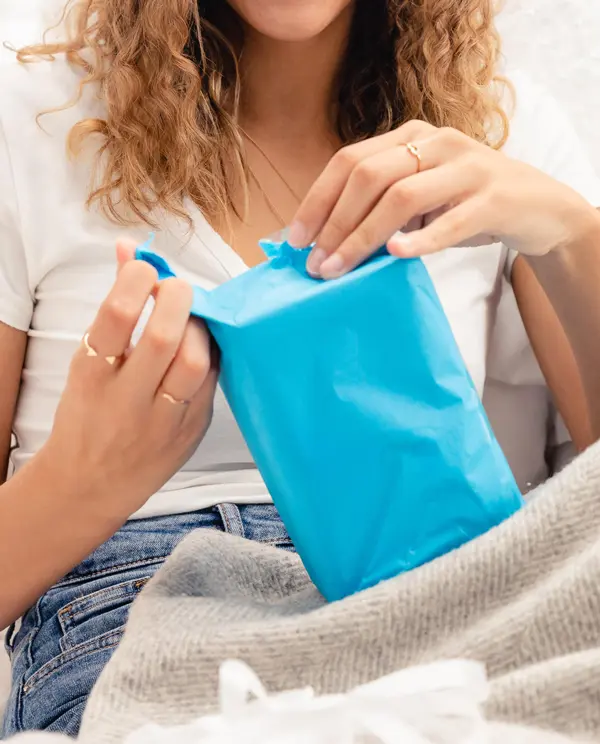
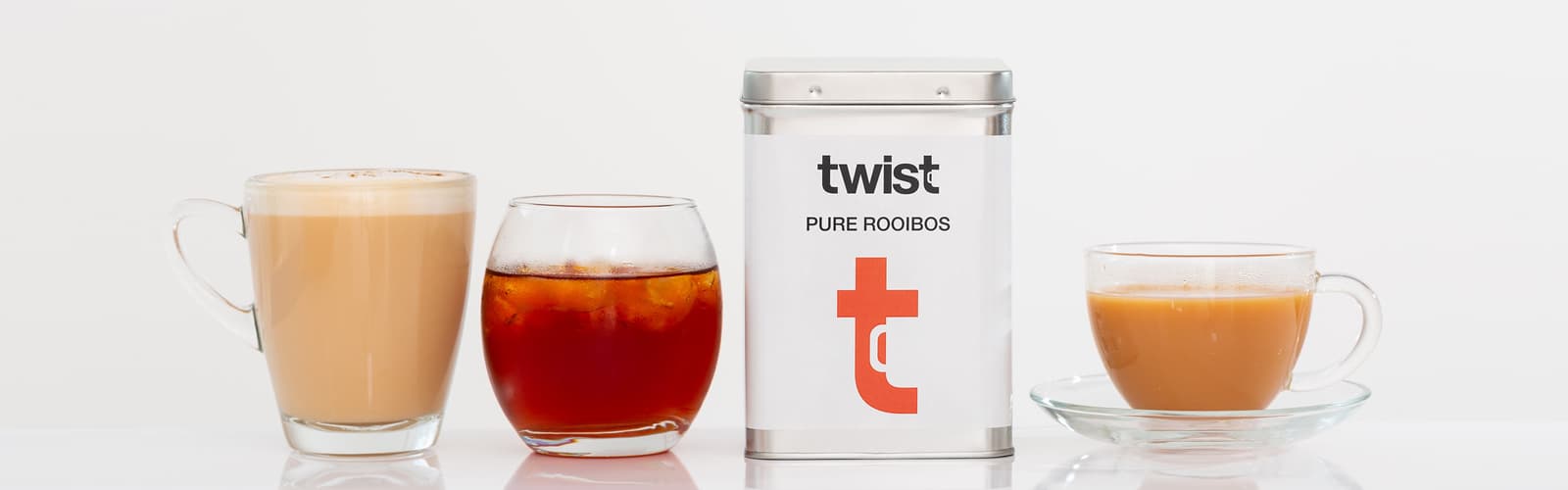
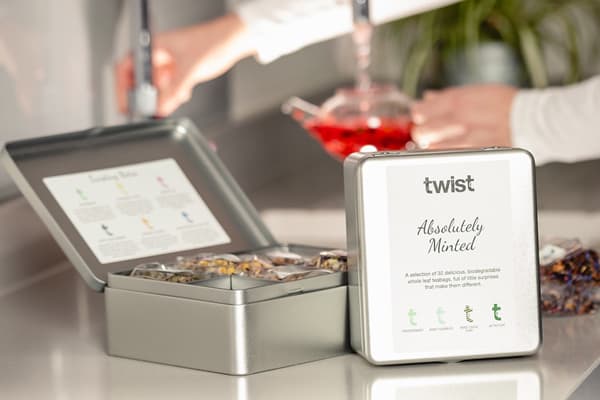
Twist Teas’ opaque and airtight caddies keep our tea fresher and more flavoursome for longer as compared with the cardboard boxes favoured by larger tea companies. In addition, they look great and are ideal for keeping your shelves neat and tidy. Made from durable tinplate and aluminium, Twist’s caddies can easily be reused once empty by popping in one of our handy refill packs! Our refill bags are made from biodegradable wood pulp and your tea fresh too, just remember to reseal them when they’re not in use!
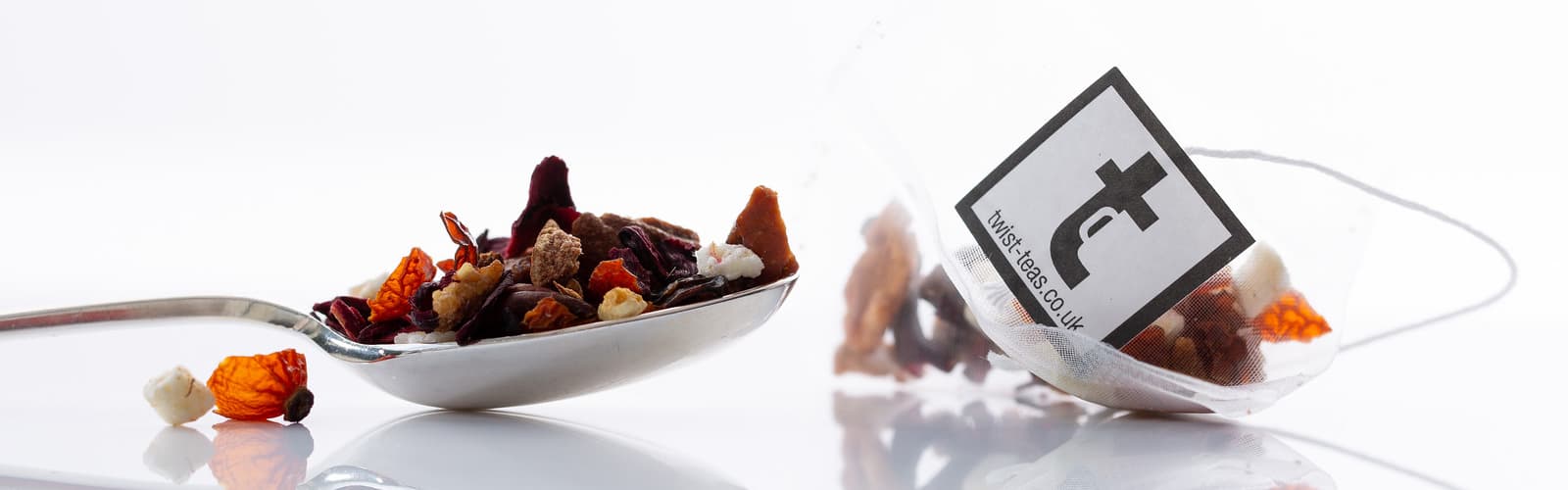
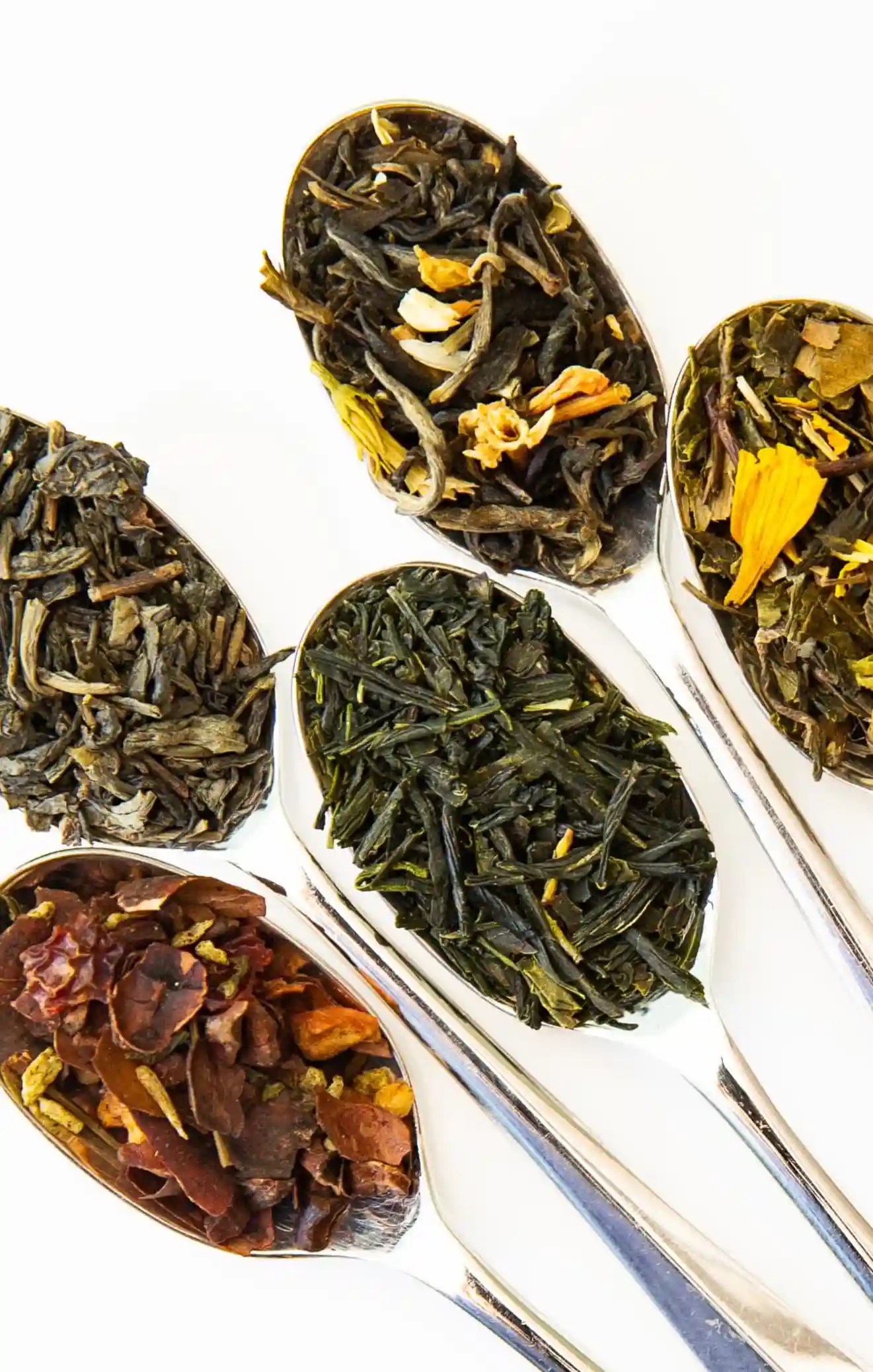
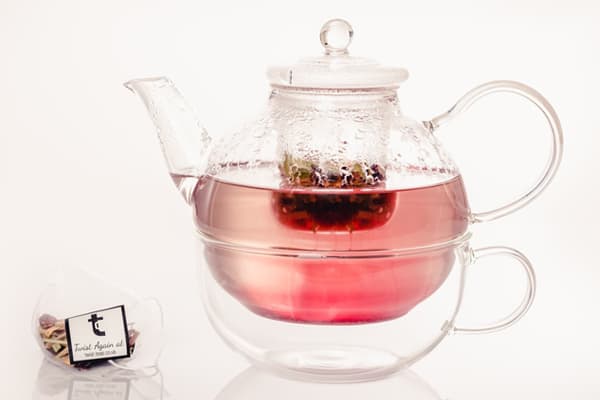 There are some tea drinkers who swear that loose leaf tea is the only way to make the perfect brew. Brewing loose leaf tea allows the tea leaves to comfortably unfurl within the hot water, thereby releasing as much flavour as possible. The flat paper tea bags used by many, less premium, tea companies don’t let water circulate around the leaves in the same way and they can only hold smaller tea particles, not whole leaf tea.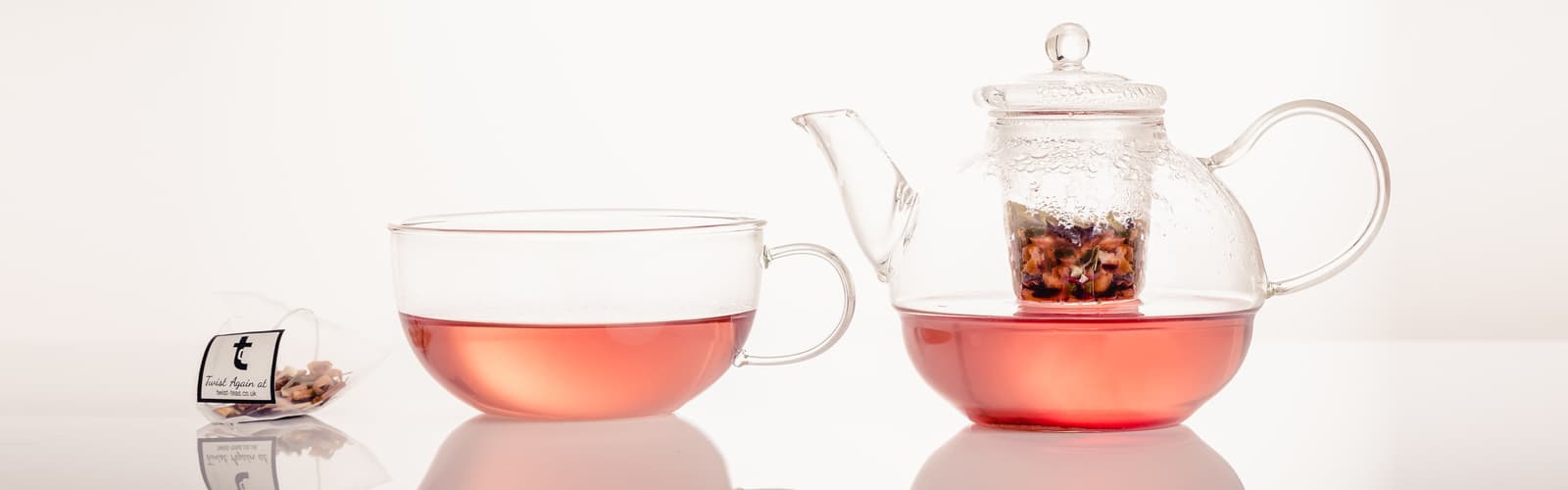
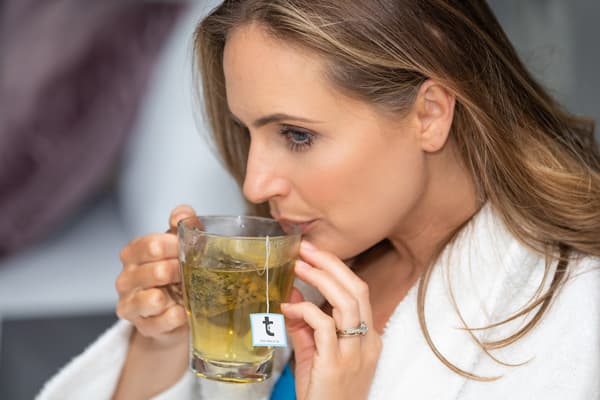 Brewing time is the length of time the tea bag or tea leaves are left to steep in hot water before it has a detrimental impact on taste. The length of time up to this point can vary according to personal taste. Some people love a very strong brew, while others like to whip their tea out almost immediately after the water has been poured. The size of leaves used also has a bearing on required brewing time. Smaller tea particles tend to release their flavour quickly while whole leaves take longer to do the same as they need time to unfurl.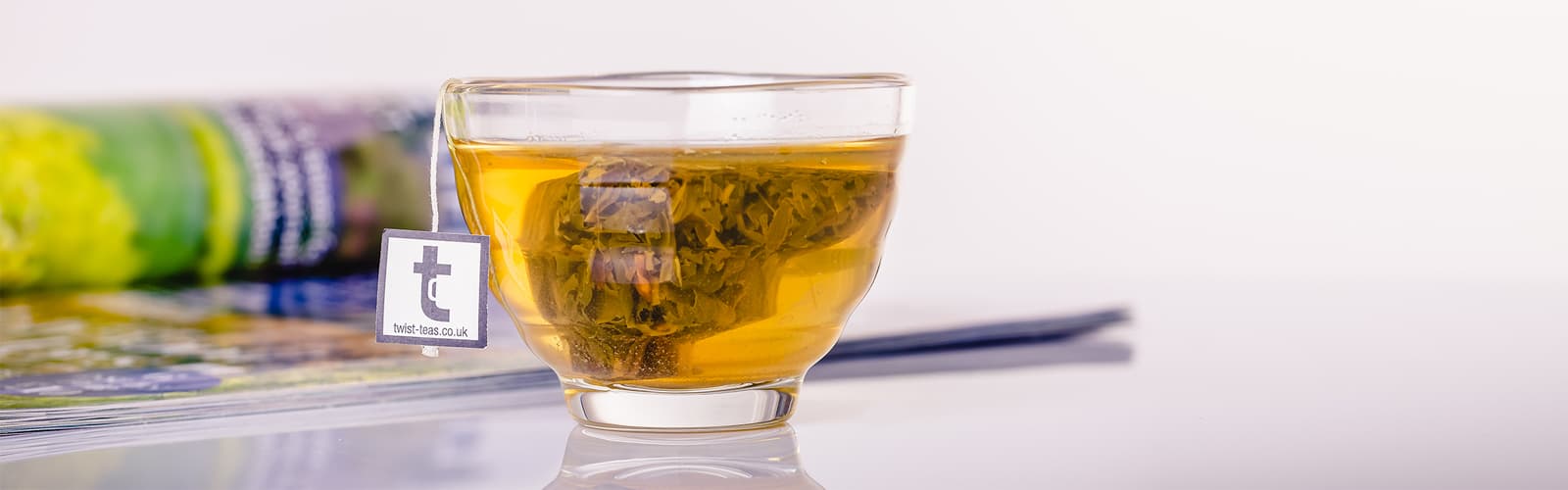
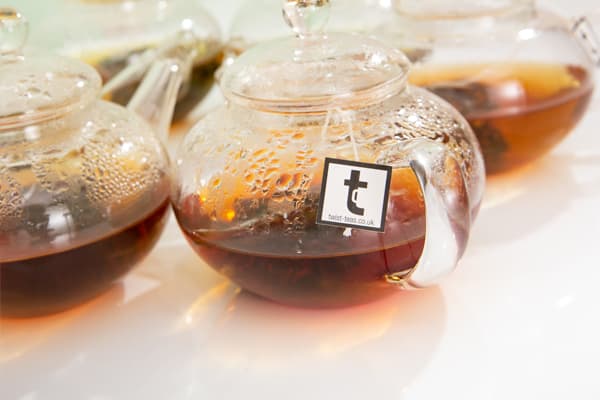 The optimum temperature of water for brewing tea varies according to each tea type. Black teas taste best if brewed in water just off the boil but if you do the same to green or white tea you risk burning the leaves and creating a bitter brew.